
The boy was born when his father was sixty-five years old, and they named him Enoch. His father was Jared, a man who lived among the first generations of people on the earth, when the years stretched long and a man could watch his children have children and still walk the same fields he walked as a boy.
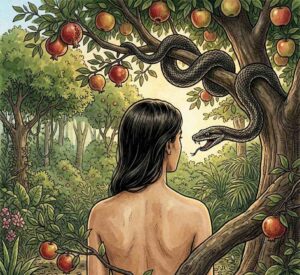
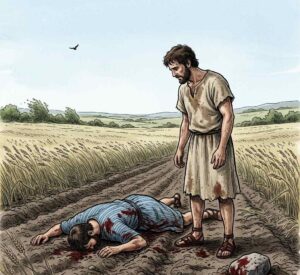
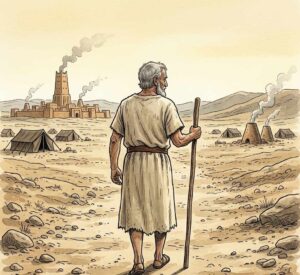
Enoch grew up hearing the old stories. He heard about the garden and the serpent and the fruit. He heard about the stone in the field and the blood that cried out from the ground. He heard about the mark and the wanderer who built a city east of Eden. These were not distant tales to him. The people who lived them were his ancestors, only a few lives removed from his own.
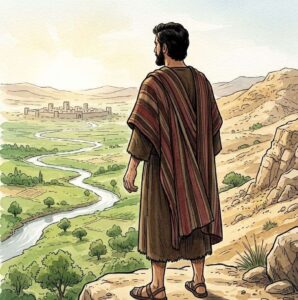
When Enoch was sixty-five years old, he became the father of Methuselah. The boy was small and dark-eyed, and Enoch held him in his arms and looked out over the land and wondered what kind of world his son would grow into. The earth was filling with people now. Cities were rising. The sons of men were multiplying, and the noise of their comings and goings was growing louder with each passing year.
The Walk Begins
Something changed in Enoch after the birth of his son. The Scripture does not say what happened or how it happened. It does not describe a vision or a voice or a dream in the night. It simply says that Enoch walked with God. After Methuselah was born, he did not live the way other men lived. He did not chase after what other men chased. He walked with God, and the walking was the thing that set him apart from everyone else in his generation.
The words are plain and spare. Enoch walked with God. Nothing more is given. No details about where they walked or what they spoke about or how the walking began. But the pattern of his life shifted. He was still a man with a wife and sons and daughters. He still ate bread and drank water and slept under the same sky as his neighbors. But there was a difference, and the difference was in the walking.
He walked with God through the years that followed. He walked while his son Methuselah grew into a man. He walked while his other children were born and grew and had children of their own. He walked while the world around him grew louder and more violent and more forgetful of the One who made it. And the walking did not stop.
The Years That No One Counted
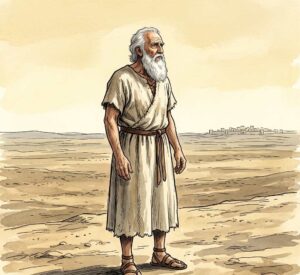
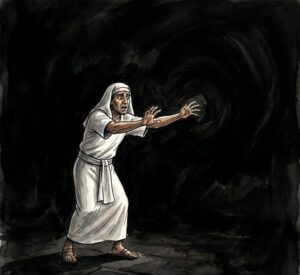
Enoch walked with God for three hundred years. Three hundred years of walking. The sun rose and set three hundred times three hundred times over, and Enoch was still walking. His hair turned grey and then white. His skin grew lined from the wind and the sun. His steps slowed as his body aged. But the walking did not stop.
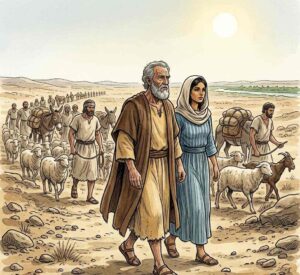
He was not like the other men of his time. They built and traded and fought and accumulated. They took wives and raised children and died and were buried in the ground. Enoch did all these things too. He had sons and daughters beyond Methuselah. He lived among his people and spoke their language and ate at their tables. But there was a direction to his life that others could not see, a path he walked that was not marked on any map drawn by human hands.
The Scripture does not record a single word that Enoch spoke. No prayer. No prophecy. No teaching passed down to his children. His voice is silent in the text. What he said to God in those three hundred years of walking remains between him and the One he walked with. The only record is the walking itself, the steady rhythm of footsteps beside footsteps, day after day, year after year, century after century.
The Silence Where the End Should Be
Then one day, Enoch was not there anymore.
This is how the Scripture says it. It does not say he died. It does not say he grew sick and lay down on his bed and closed his eyes for the last time. It does not say his sons buried him in the ground and mourned over his grave. Every other name in the long list of generations ends the same way. And he died. Those three words close out the lives of men who lived nine hundred years and men who lived seven hundred years and men who lived only a handful of decades. The words fall like a gate closing. And he died. And he died. And he died.
But when the account reaches Enoch, the words change. The rhythm breaks. The gate does not close.
And Enoch walked with God. And he was not. For God took him.
That is all. No death. No grave. No body returned to the dust from which it came. He was walking, and then he was not. The walking simply continued past the boundary where other men stop. One step was on the earth. The next step was somewhere else. Somewhere beyond the fields and the cities and the noise. Somewhere in the silence where only God is.
The Morning After
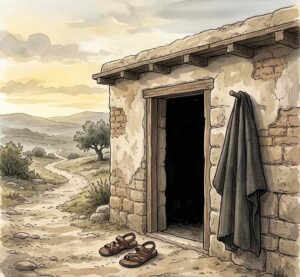
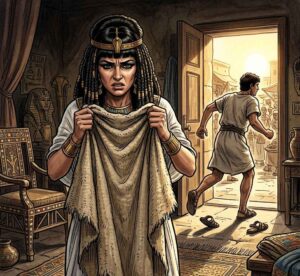
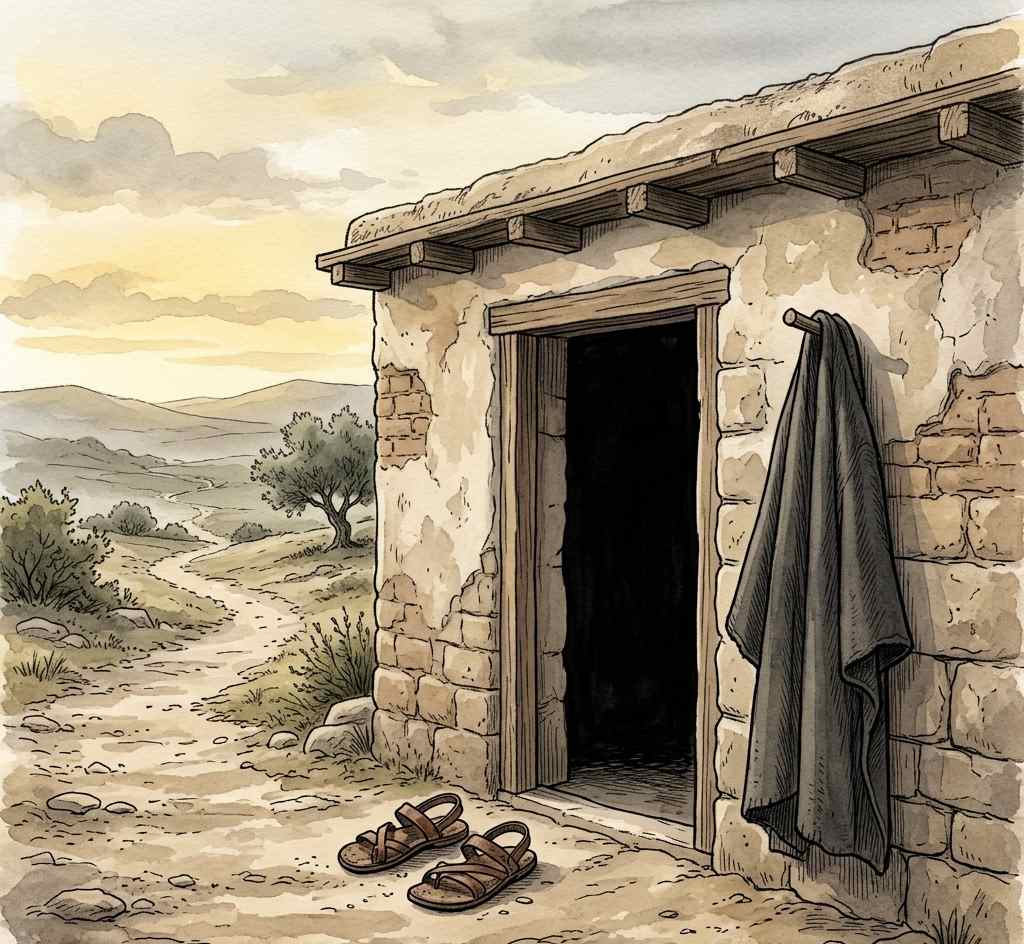
His son Methuselah woke that morning and his father was gone. The house was the same. The fields outside were the same. The sun came up over the hills the way it always did. But Enoch was not there. His sandals sat by the door. His outer cloak hung on the wooden peg where he always hung it. The embers in the fire pit were still warm from the night before.
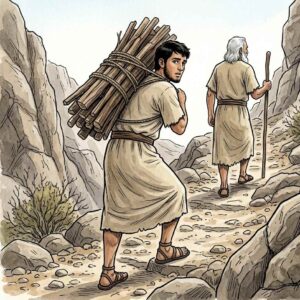
Methuselah searched. He went out to the paths his father used to walk. He called his name into the hills. He asked the neighbors and the travelers and the men who worked the fields. No one had seen him. No one knew where he had gone. He had simply stepped from the world of men into the world where God is, and the door had closed behind him without a sound.
The neighbors must have talked. They must have gathered at the house and asked questions that no one could answer. Where did he go? How did it happen? What kind of man simply stops being? They had never seen anything like it. They had buried their own fathers and grandfathers and great-grandfathers. They knew what death looked like. But this was not death. This was something else entirely, something that had never happened before and would never happen again until the end of days.
The Witness of the Walking
Methuselah lived longer than any man who ever lived, nine hundred and sixty-nine years. He carried the memory of his father through all those centuries. He remembered the way Enoch walked, the way his footsteps sounded on the path, the way he would sometimes stop and look up as if he heard something no one else could hear.
And Methuselah had a son named Lamech, and Lamech had a son named Noah. The name Noah meant rest, and his father gave him that name hoping he would bring comfort from the toil of working the ground that the Lord had cursed. Noah grew up hearing about his great-grandfather Enoch, the man who walked with God and then was not, the man who stepped into the silence and never came back.
The story of Enoch was told around fires and at bedsides. It was passed from grandfather to father to son. And it was a strange story because it had no ending. It just stopped, the way Enoch himself stopped. One moment he was walking on the earth, and the next moment he was walking somewhere else, and no one could follow him there.
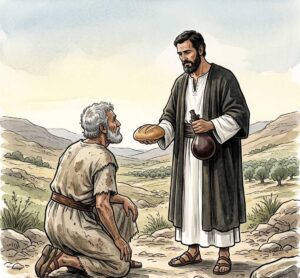
The writer of the letter to the Hebrews would later say that by faith Enoch was translated that he should not see death, and he was not found because God had translated him. For before his translation he had this testimony, that he pleased God. But without faith it is impossible to please him. For he that cometh to God must believe that he is, and that he is a rewarder of them that diligently seek him.
The morning after Enoch was taken, the sun rose the way it always did. The birds sang. The wind moved through the fields. Methuselah stood in the doorway of his father’s house and looked out at the path that led away into the hills. His father’s sandals were still by the door. The cloak was still on its peg. And the silence where Enoch used to be was fuller than any words he had ever spoken.