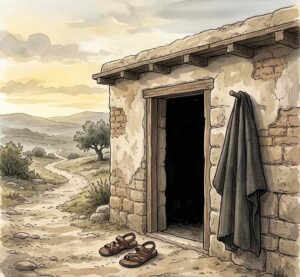

The blood had dried on the doorposts. The hyssop lay beside the basins. The families of Israel waited in their houses, their sandals on their feet, their staffs in their hands, the roasted lamb still warm in their stomachs. The unleavened bread and the bitter herbs had been eaten. The meal of haste was finished. And now the night pressed in around them, and the silence was heavier than any darkness.
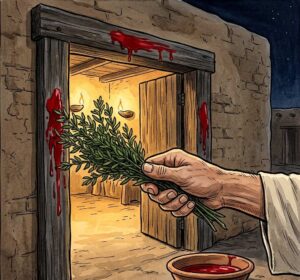
The children of Israel had done what the Lord commanded Moses and Aaron. Each household had killed its lamb. Each father had dipped the hyssop in the blood and struck the lintel and the two side posts. Each family had gathered inside the marked door and waited for the promise of the Lord to be fulfilled. The blood was a token upon their houses, a sign that death had already visited this dwelling and claimed a substitute. The angel of the Lord would see the blood and pass over.
The Egyptians had done nothing. They had no lamb. They had no blood. They had no warning except the words of Moses, which they had ignored along with their king. The nine plagues had fallen, and still they had not bowed the knee to the Lord of the Hebrews. Their houses were unmarked. Their firstborn were unprotected. And the midnight hour was approaching.
The Passing of the Lord
It came to pass at midnight. The hour that divides one day from the next, the hour when the darkness is deepest, the hour when sleep lies heaviest on the eyes of men, the Lord moved through the land of Egypt. He did not send an army. He did not send a plague of insects or a storm of hail. He came himself, the Lord of heaven and earth, walking through the streets of the cities and the paths of the villages, executing judgment on the gods of Egypt.
The Lord smote all the firstborn in the land of Egypt. The judgment fell on the palace of Pharaoh and on the hut of the lowest servant. It fell on the firstborn son of the king who sat on the throne and on the firstborn son of the captive who was in the dungeon. The wealth of the noble could not buy protection. The poverty of the poor could not escape notice. The firstborn of every household, from the highest to the lowest, from the most powerful to the most insignificant, was struck down in the darkness.
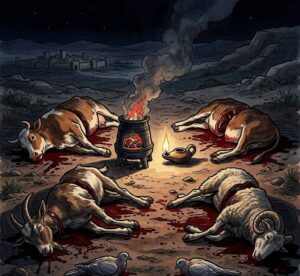
The firstborn of the cattle died as well. The beasts that had survived the murrain and the hail and the locusts now fell under the final plague. The stalls were filled with the bodies of dead animals. The fields where the surviving cattle had grazed were silent. The judgment was complete. Every living thing that had opened the womb in the land of Egypt was subject to the sword of the Lord.
The Cry in the Darkness
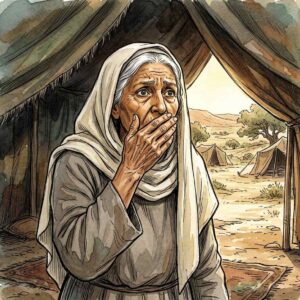
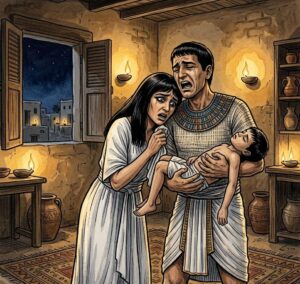
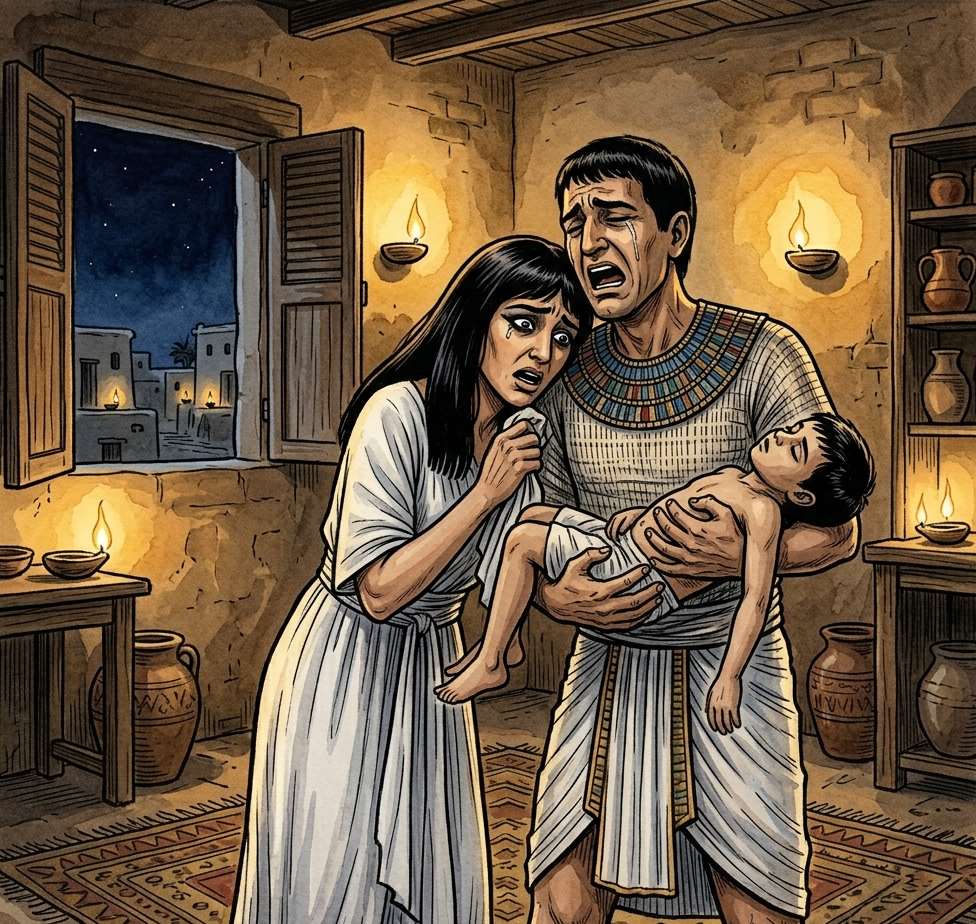
And there was a great cry in Egypt. The scream rose from every house, from every street, from every village. It was a sound that had never been heard before and would never be heard again. Mothers woke to find their firstborn sons cold beside them. Fathers reached for their eldest children and found only lifeless flesh. Brothers and sisters shook their siblings and screamed when they understood what had happened.
The cry was universal. There was not a house where there was not one dead. The palace of Pharaoh echoed with the wail of the royal family. The barracks of the soldiers rang with the grief of warriors who could not fight this enemy. The slave quarters of the Egyptians were filled with the same sorrow that visited the mansions of the nobles. Death had come to Egypt, and death was no respecter of persons.
The Scripture records this moment with devastating simplicity. “And there was a great cry in Egypt. For there was not a house where there was not one dead.” The words need no embellishment. The horror of that night speaks for itself. A nation that had drowned the children of the Hebrews in the Nile now wept for its own children. A king who had refused to let the sons of Israel go now held his own dead son in his arms. The measure that Egypt had measured out was being measured back, pressed down and running over.
The Summons in the Night
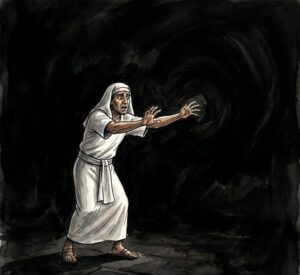
Pharaoh rose up in the night. The king who had refused to see the face of Moses again now sent for him in desperate haste. The palace servants ran through the darkened streets of the capital, their torches cutting through the night, their voices calling for the Hebrew leader. The words of Moses had come true. The final plague had fallen. And Pharaoh could no longer pretend that the Lord of the Hebrews was a minor deity who could be ignored.
Moses and Aaron came to the palace. They stood before Pharaoh, the same man who had threatened to kill them if they saw his face again. But the king was not threatening now. The king was begging. The king who had hardened his heart through nine plagues was broken by the tenth.
“Rise up, and get you forth from among my people, both ye and the children of Israel. And go, serve the Lord, as ye have said. Also take your flocks and your herds, as ye have said, and be gone. And bless me also.”
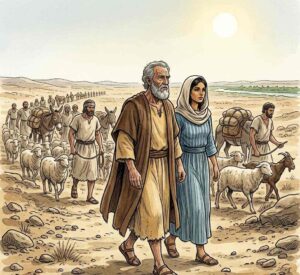
The surrender was total. Everything Moses had demanded was granted. The people could go. The flocks could go. The herds could go. Nothing would be held back. The king who had said he knew not the Lord was now asking for a blessing from the Lord. The ruler who had refused to release the slaves was now begging them to leave. The ten plagues had done their work. The power of Egypt was broken. And the children of Israel walked out of the land of their captivity, their children alive, their flocks intact, their God victorious.
The scream that rose from every house in Egypt was the sound of judgment. But it was also the sound of deliverance. Because the scream of the Egyptians meant that the chains of the Hebrews were broken. The cry of death in one nation was the cry of life in another. And the blood of the lambs that had been painted on the doorposts of Goshen had saved the children of Israel from the sword of the angel. The Passover was complete. The exodus had begun.