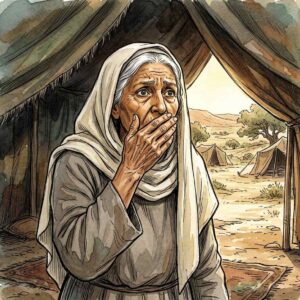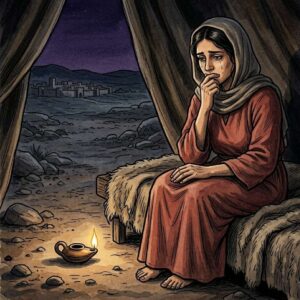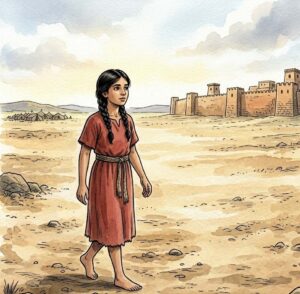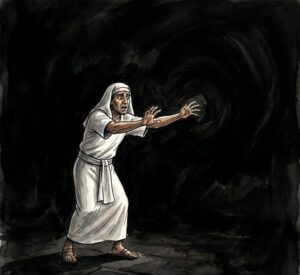

The Egyptian servant stood at the edge of the camp and looked back at the tents of Abram. Her body was young and strong, but her belly was swelling with the child of her master, and her face was marked with tears. Sarai had given her to Abram, handed over like a cup or a cloak, so the old woman might obtain children through her. When the servant conceived, things changed.
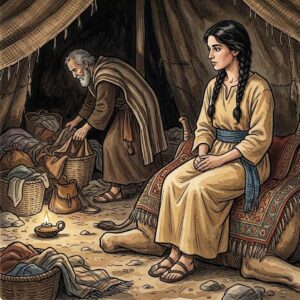
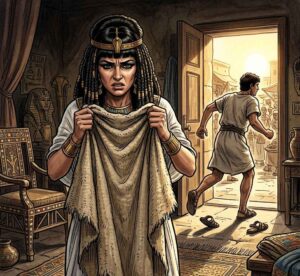
Sarai looked at her with eyes full of bitterness. The old woman who had given her servant to her husband now found herself despised in the eyes of that same servant. The Egyptian girl who had been property had become a rival, and Sarai dealt harshly with her. The word harsh covers a multitude of cruelties. Hard words. Heavy tasks. The kind of treatment that makes a young woman flee into the wilderness with only the clothes on her back and the child in her womb.
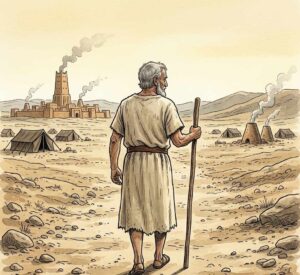
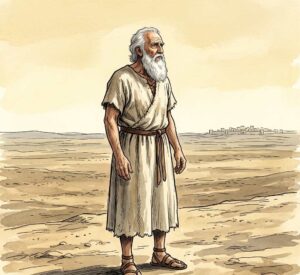
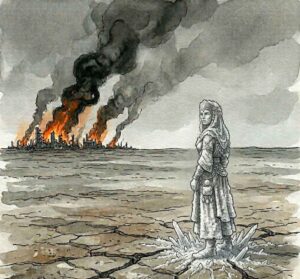
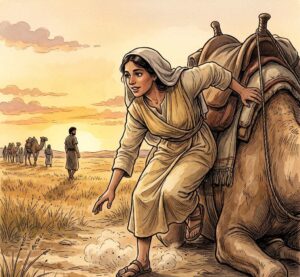
So she ran. She slipped away from the camp without permission and without supplies, leaving while the sun was still low. She walked into the desert, heading south toward Shur, toward the land of Egypt from which she had come. The road lay empty and hot before her. The sand stretched like a dry sea. And the child within her moved and kicked, a living presence that walked with her even when the world had abandoned her.
The Fountain in the Wilderness
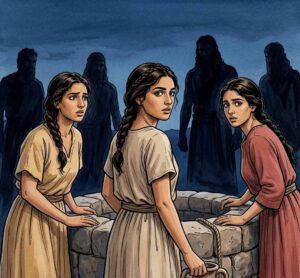
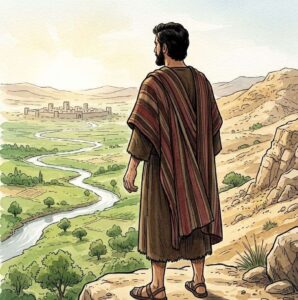
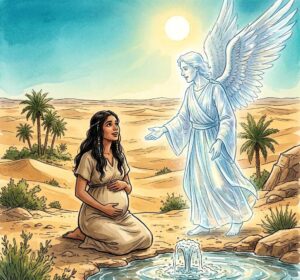
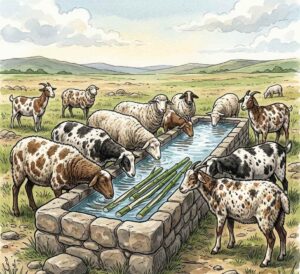
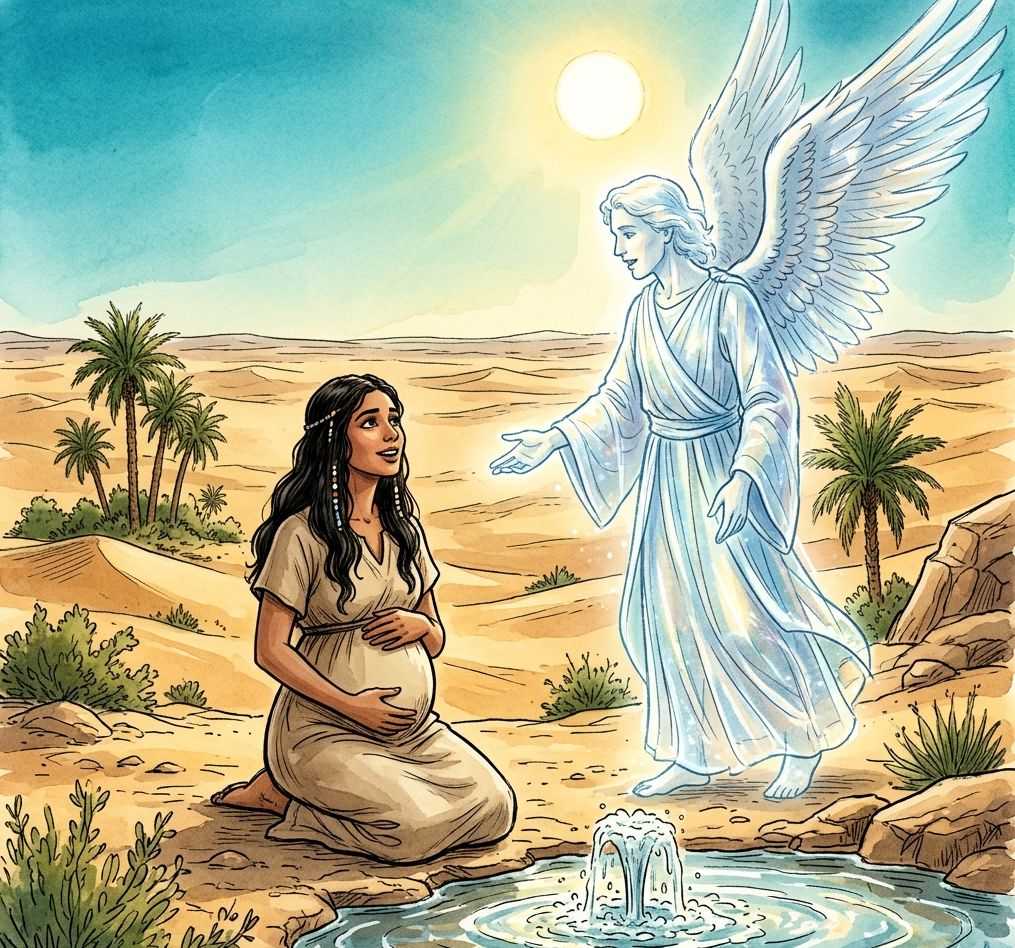
She came upon a fountain of water in the wilderness, a spring that bubbled up from the ground on the way to Shur. She stopped there and knelt by the water, cupping it in her hands and drinking until her thirst was gone. The desert stretched around her, bare of human voices, bare of the bitter looks of Sarai, bare of everything but the wind and the sand and the sun.
Then the angel of the Lord found her.
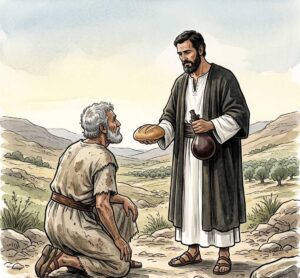
The Scripture records no prayer from her lips. She made no cry for help. She simply knelt by the water, and the angel of the Lord found her, as if he had been searching for her all along, tracking her footsteps through the wilderness, following the trail of a runaway slave who thought herself forgotten. The angel found her by the fountain of water, spoke to her, and called her by name.
“Hagar, Sarai’s maid, whence camest thou? And whither wilt thou go?”
The question was gentle but direct. Where have you come from, and where are you going? The angel already knew the answers. He knew she was running from the harshness of her mistress. He knew she was heading toward Egypt, the land of her birth, the place where she had lived before she became a slave in the household of Abram. He asked anyway, because the asking was for her sake, for him. She needed to speak the truth of her situation aloud.
“I flee from the face of my mistress Sarai.”
Her words were simple and honest. She was a runaway. She was fleeing from pain. Her future held only the next step on the desert road.
The Command and the Promise
Then the angel of the Lord spoke words that cut through her.
“Return to thy mistress, and submit thyself under her hands.”
Return. Go back to the woman who had dealt harshly with her. Go back to the camp where she was a slave. Go back to the place of pain and submit to the authority that had driven her into the wilderness. The command was hard. It asked everything of her. It asked her to trust that the God who had found her by the fountain was the same God who would protect her when she returned.
But the command came with a promise, and the promise was large enough to carry her back down the road she had just traveled.
“I will multiply thy seed exceedingly, that it shall not be numbered for multitude.”
The angel told her she would bear a son, and she was to call his name Ishmael, which means “God hears,” because the Lord had heard her affliction. The boy would be a wild man, his hand against everyone and everyone’s hand against him. He would live in the presence of all his brothers, a fighter and a survivor, a child of the desert who would remain untamed. But God had heard her. The Egyptian slave girl, the runaway, the woman without status, had been heard by the Lord of heaven and earth.
The God Who Sees
And Hagar called the name of the Lord that spoke to her. She stands alone in all of Scripture as the one who gave God a name. No one else dared to do such a thing. But Hagar, the Egyptian slave, the runaway, the woman who had met God by a fountain in the wilderness, spoke a name over the One who had spoken to her.
“Thou God seest me.”
She had been invisible. She had been property. She had been the servant who was given away and then hated when she produced what had been asked of her. Every eye had passed over her pain. Every eye had passed over her fear. She had been a tool to be used and discarded. But God had seen. The angel had found her by the fountain. The Lord had heard her affliction. She knew now that she was seen, and she would remain seen forever.
“Have I also here looked after him that seeth me?”
The words are hard to translate, but the sense is clear. She was amazed that she had seen God and lived. She was amazed that the God who sees all things had looked upon her, a slave woman from Egypt, and spoken promises over her child. She was amazed that the fountain in the wilderness had become a sanctuary, a place where heaven touched earth and a runaway found her worth.
Wherefore the well was called Beerlahairoi, the well of the Living One who sees me. It lay between Kadesh and Bered, a marker in the desert where a slave woman had met God and walked away with a promise and a name for her son.
The Return
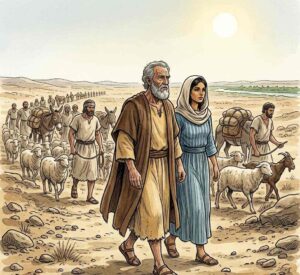
Hagar rose from the fountain and turned back toward the camp of Abram. The road remained the same. The desert remained hot and empty. Sarai waited at the end of it, her face tight with years of barrenness and jealousy. But something in Hagar had changed. She carried a promise now, a word from the Lord that her son would live and multiply and become a great nation. She carried a name for the child in her womb, a name that meant God hears, a name that would remind her each day that her affliction had been seen and her cry had been answered.
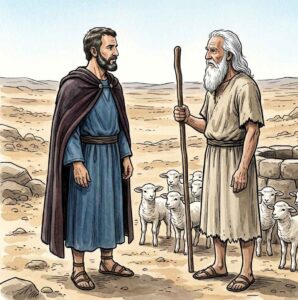
She returned to the tents of Abram. She submitted herself to Sarai. And when the time came, she bore a son, and Abram called his name Ishmael. The old man was eighty-six years old when the boy was born, and he held his firstborn son in his arms and looked into the dark eyes of the child who would become a wild man, a hunter, a survivor.
Hagar watched her son grow in the household of Abram. She remained a slave. Sarai remained her mistress. The tent where she slept belonged to another. But she held a promise that no one could take from her. She had met God in the wilderness, and she had given him a name, and she knew that whatever happened in the years ahead, the God who sees would keep watching over her child.
The well of Beerlahairoi stayed in the desert, a circle of stone around a spring of water, a place where a runaway slave had learned that she was seen. And the boy Ishmael grew, and God was with him, and the promise spoken at the fountain waited to be fulfilled.