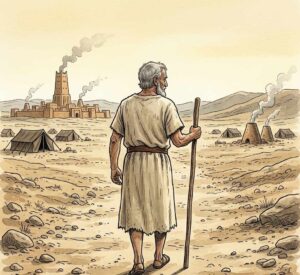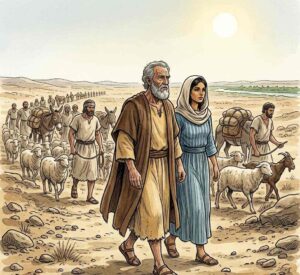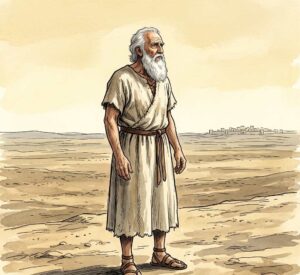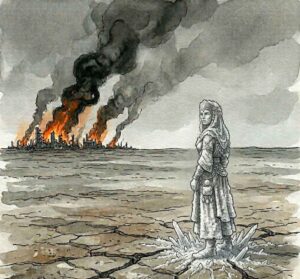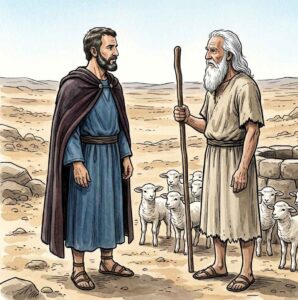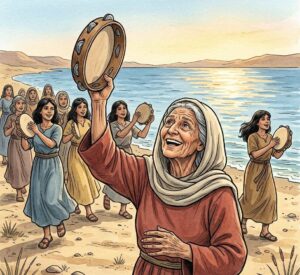

The tambourines had fallen silent. The dancing on the far shore was over, and the children of Israel had marched into the wilderness of Shur. The song of Moses and the song of Miriam still echoed in their ears, but the sound of their own voices was being replaced by a new sensation. Thirst. The desert stretched before them, a land of sand and rock and burning sun. They walked for three days without finding water. Three days in the wilderness with the heat pressing down on their heads and the dust filling their mouths and their tongues cleaving to the roofs of their mouths.
Then they saw the water. A glint of light on the horizon, a patch of blue in the brown expanse of the desert. The cry went up from the front of the column and spread backward through the thousands of Israel. Water. They had found water. They pushed forward with new strength, their thirst driving them toward the pool that promised relief.
They came to Marah. The name would later mean bitterness, but they did not know that yet. They only knew that water was before them, and they fell on their faces at the edge of the pool, cupping the liquid in their hands, lifting it to their cracked lips.
They could not drink of the waters of Marah, for they were bitter. The water that had promised life was poison in their mouths. They spat it out and threw it down and turned on Moses with the same fury they had shown at the edge of the Red Sea. “What shall we drink?”
The Cry of the Thirsty
The question was sharp with desperation. Three days without water had stripped away the memory of the miracles. The plagues of Egypt were a distant dream. The crossing of the sea was a fading story. The only reality was the bitter pool before them and the burning thirst in their throats. They murmured against Moses, the same man who had stretched out his staff and divided the sea, as if he had brought them into the wilderness to die.
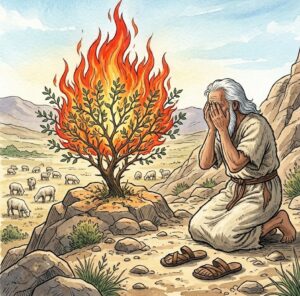
Moses cried unto the Lord. The servant of God did not argue with the people. He did not defend himself against their accusations. He turned to the One who had called him from the burning bush and sent him to Egypt, and he laid the bitterness of the water before the Lord.
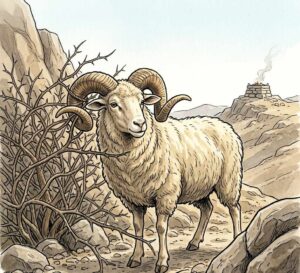
The Lord shewed him a tree. The answer to the cry was not a word but a thing. A tree. A piece of wood growing in the wilderness. The Lord did not speak a command or reveal a hidden spring. He simply showed Moses a tree, and Moses understood what he was to do.
The Tree Cast Into the Waters
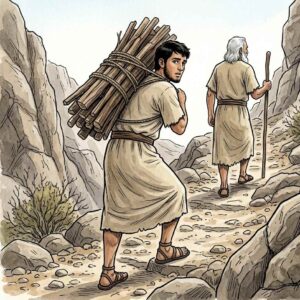
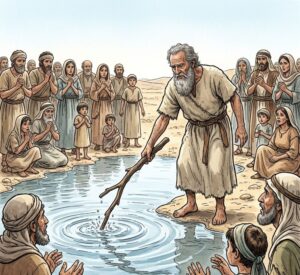
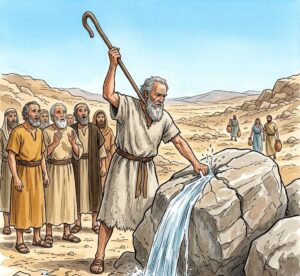
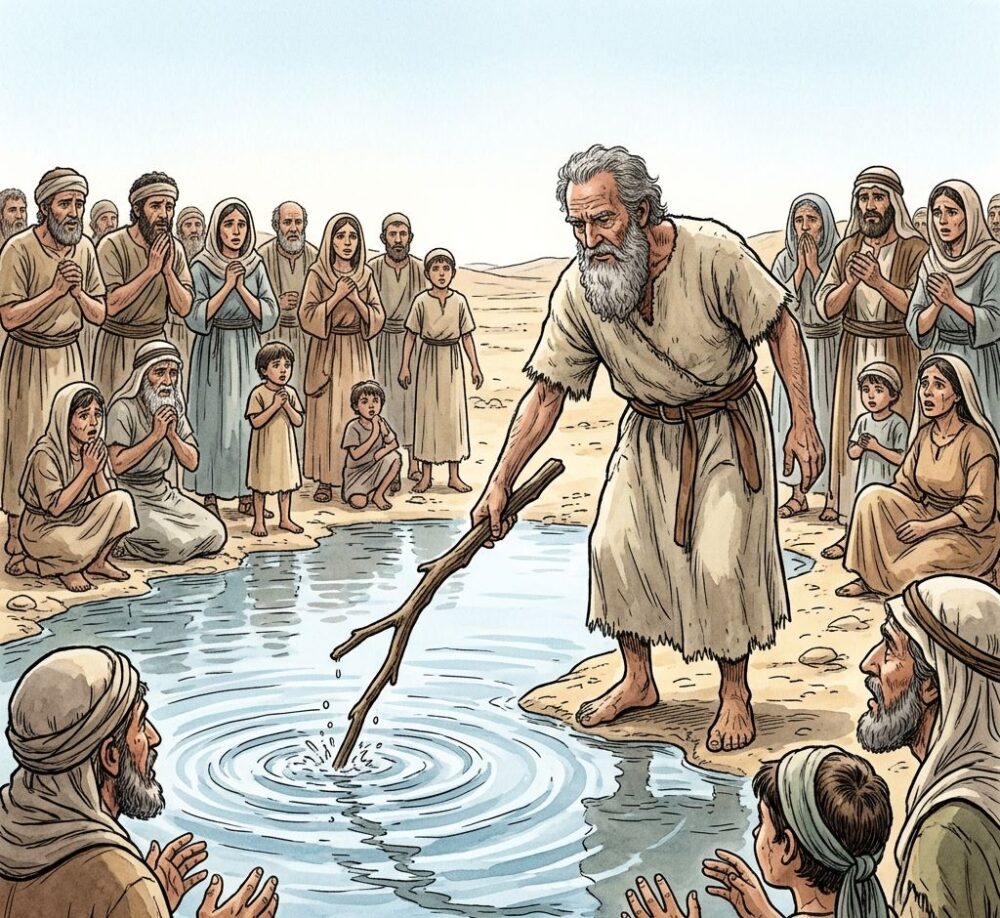
He cut down the tree. The wood was rough and dry, a desert shrub or a branch that the Lord had caused to grow for this very moment. Moses took the tree in his hands and carried it to the edge of the bitter pool. The people watched him, their thirst making them silent, their eyes fixed on the piece of wood in the hands of their leader.
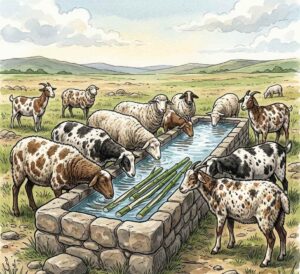
He cast the tree into the waters. The wood struck the surface with a splash, and the ripples spread outward across the pool. The tree floated on the bitter water, its branches spreading across the surface, its roots trailing down into the depths. And the waters were made sweet.
The transformation was immediate and complete. The bitterness that had made the water undrinkable vanished. The poison that had filled the mouths of the people with disgust was gone. The pool at Marah, which had promised only disappointment, now offered sweet water that quenched the thirst of the entire nation. The men and the women and the children bent down to drink. The flocks and the herds waded into the shallows. The camp of Israel was saved by a tree cast into bitter water.
The Statute and the Ordinance
There the Lord made for them a statute and an ordinance, and there he proved them. The bitter water had been a test, and the test had revealed the hearts of the people. They had murmured instead of trusting. They had complained instead of praying. They had accused Moses instead of seeking the Lord. The tree in the water was more than a miracle of provision. It was a lesson in obedience.
The Lord spoke to the people through Moses, and his words were the terms of the covenant that would define their relationship for the rest of their journey. “If thou wilt diligently hearken to the voice of the Lord thy God, and wilt do that which is right in his sight, and wilt give ear to his commandments, and keep all his statutes, I will put none of these diseases upon thee, which I have brought upon the Egyptians. For I am the Lord that healeth thee.”
The promise was clear. The Lord would be their healer. The God who had turned bitter water sweet would turn their bitter hearts toward obedience. The God who had used a tree to save them from thirst would use his commandments to save them from the diseases of Egypt. The test at Marah was the first of many tests, and the lesson of the tree would be repeated throughout the wilderness journey. The Lord provides. The Lord heals. The Lord turns bitterness into sweetness for those who trust in him.
Then they came to Elim, where there were twelve wells of water and threescore and ten palm trees. The people who had thirsted at Marah now camped by abundant water, their tents pitched among the palm trees, their flocks drinking from the wells. The bitterness was behind them. The sweetness was before them. And the tree that had been cast into the waters remained as a sign that the Lord could make the bitter sweet.